



Biography
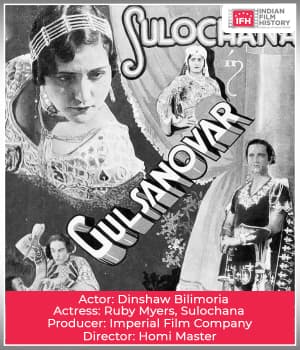
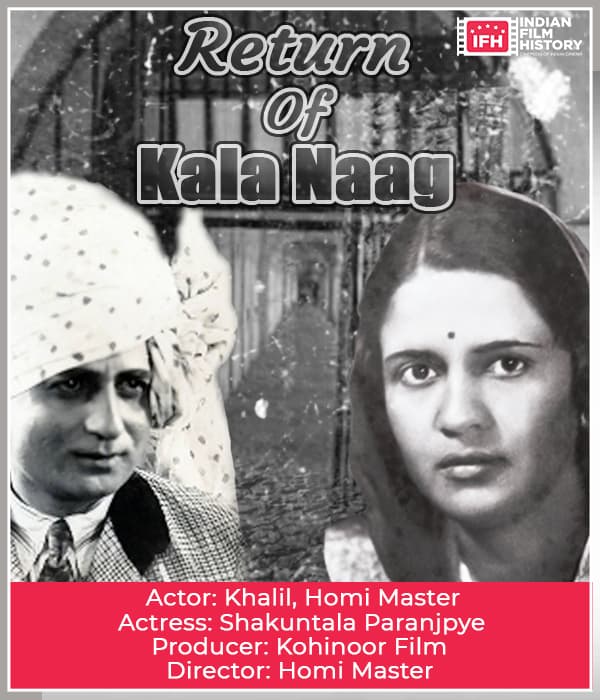
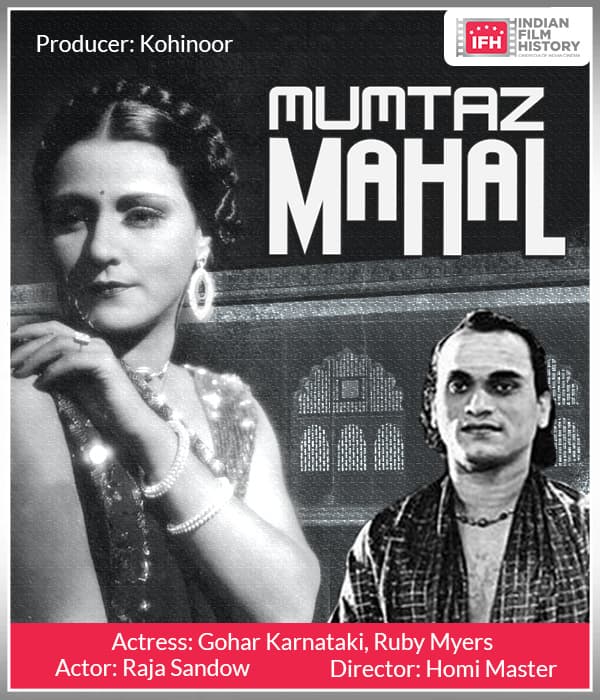
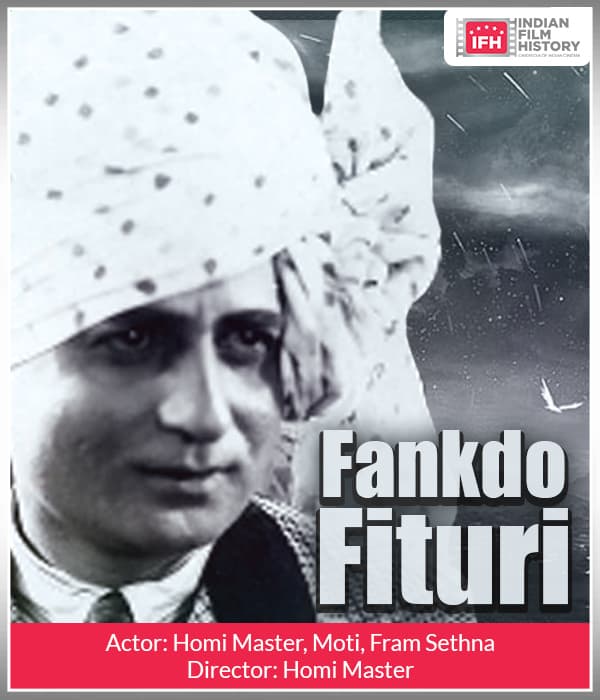
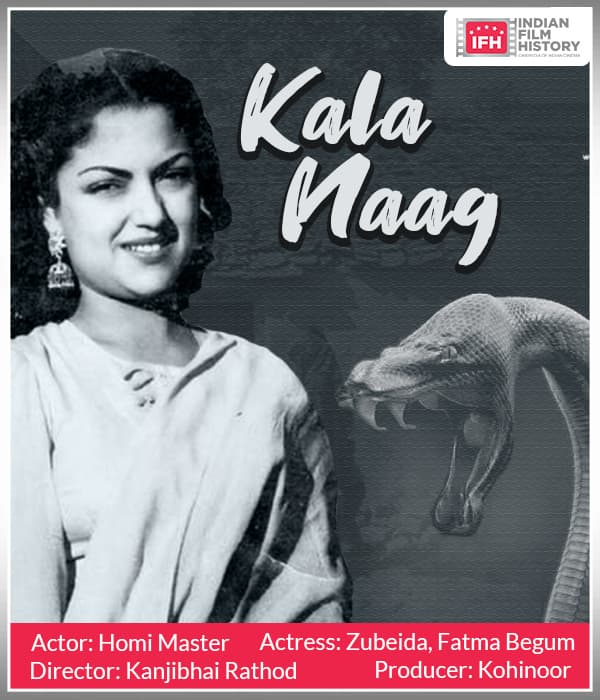
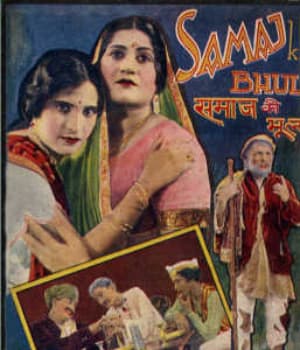
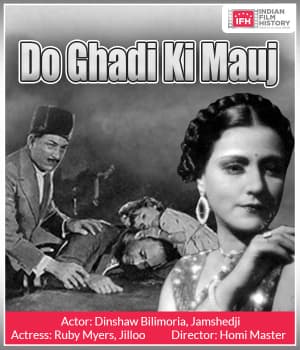
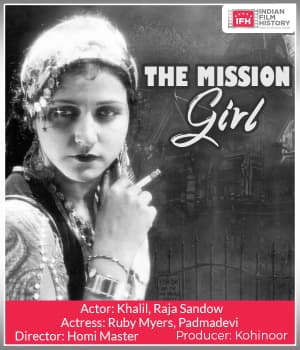
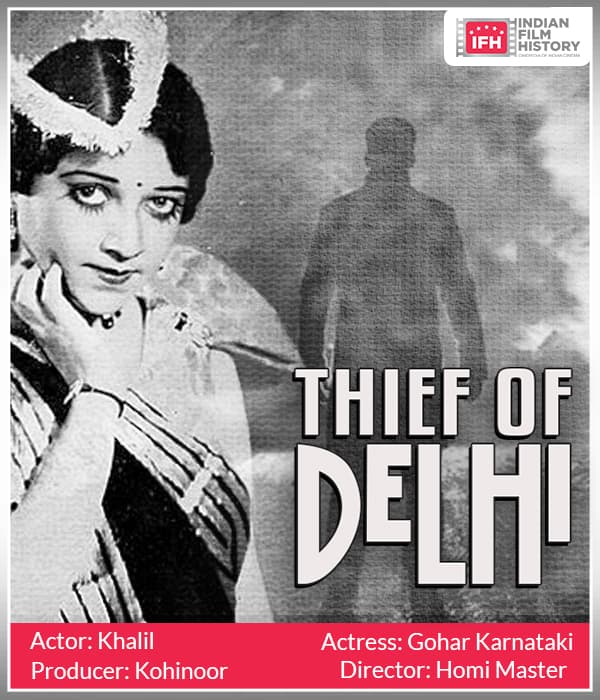
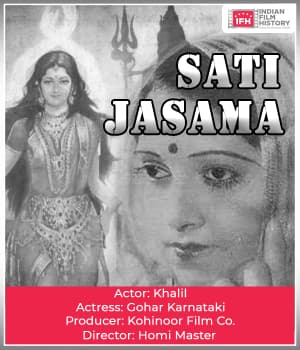
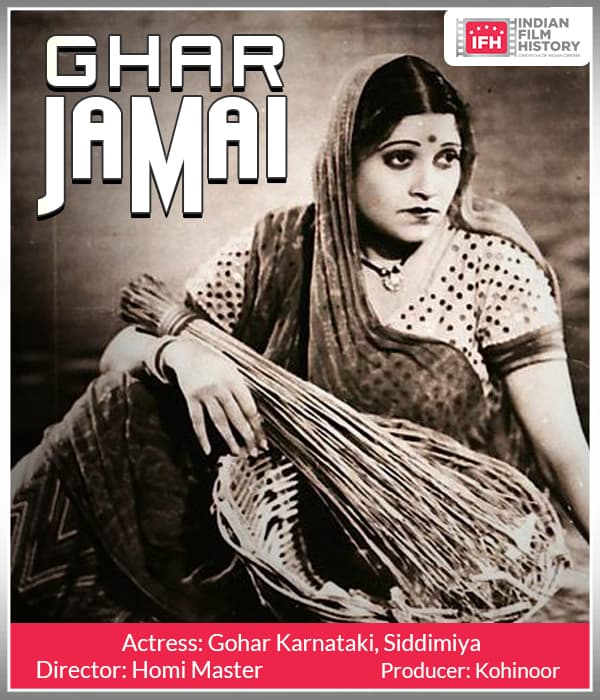
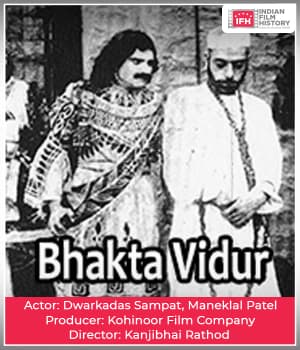
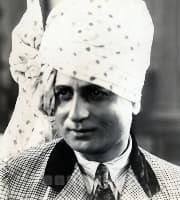
Homi Master was an actor-director of early Indian cinema. His work extended from the silent era to the talkie era up to his death. He produced his best films for Kohinoor Film Company and has been referred as "silent cinema's most successful film-maker". Master acted in the then controversial film Bhakta Vidur (1921), Kala Naag, and Kulin Kanta. Some of his important films were Bismi Sadi, Manorama, Do Ghadi Ki Mauj (1935), Samaj Ki Bhool(1934), Gul Sanobar (1934). He was active from 1921–49 and made over seventy-eight films. His later films in Gujarati and Hindi were termed as 'B' class films.
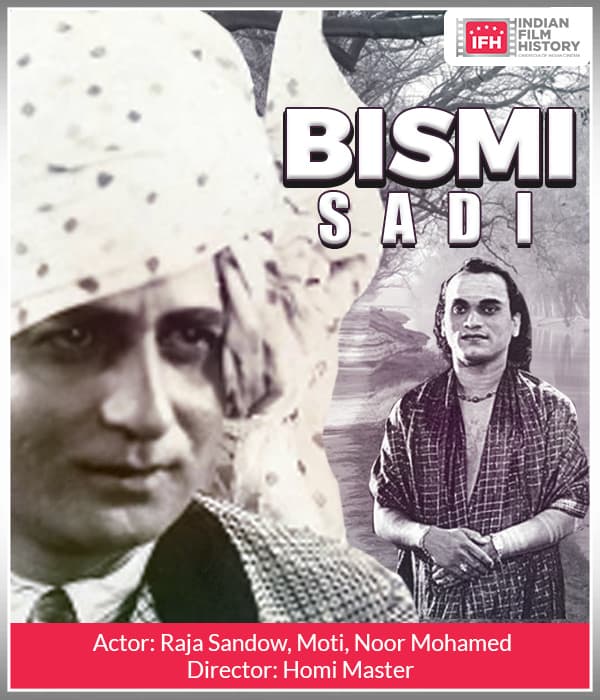
In 1924, Master started his career as a director with Dwarka Sampat's Kohinoor Film Company. His first film for Kohinoor was Bismi Sadi, starring Raja Sandow, Miss Moti and Noor Mohammed Charlie. A social, the film was about a hawker who becomes a mill-owner and goes on to exploit the people working under him. Manorama (1924) was based on the famous Gujarati romantic poet Kalapi's autobiographical poem "Hridaya Triputi". The film was made in the fantasy genre and broke "all records" when it ran for fourteen weeks.
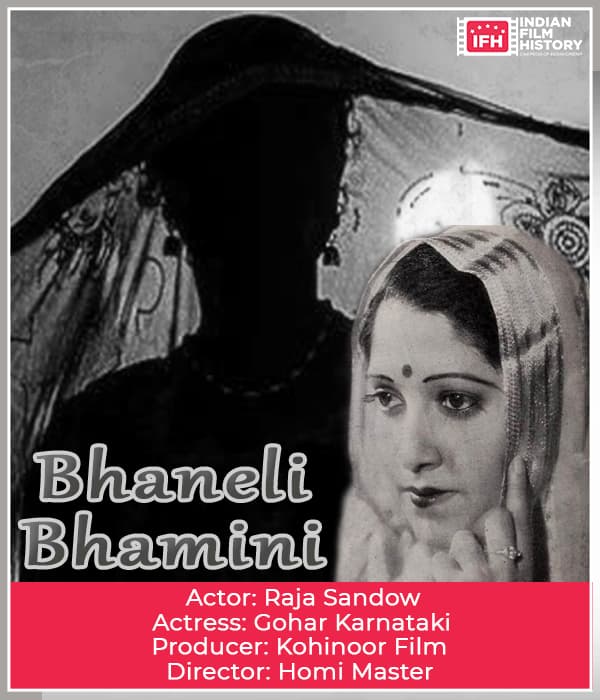
Other significant films at this time were The Telephone Girl (1926), also called Telephone Ni Taruni, produced by Kohinoor, and starring Ruby Myers, Gohar and Raja Sandow. Educated Wife or Bhaneli Bhamini (1927), was another Kohinoor Film with Gohar, Vaidya and Raja Sandow. They were social films that were successful at the box office.
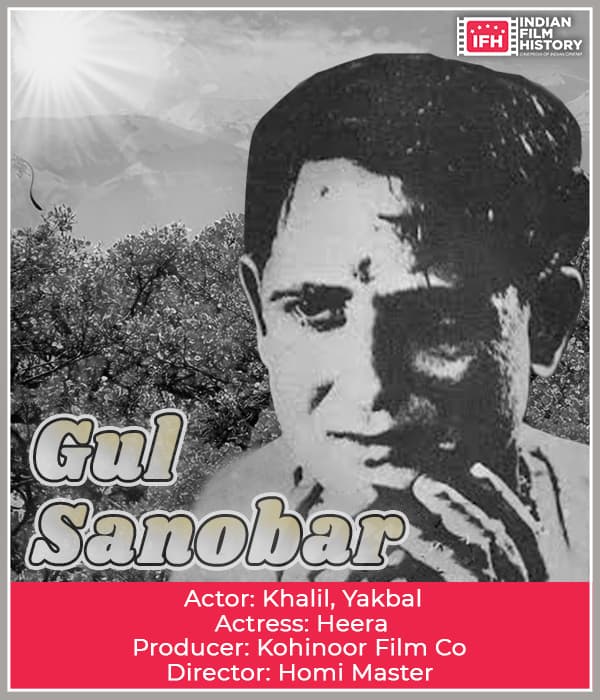
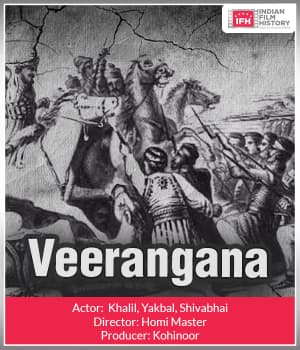
Gul Sanobar (1928) was a fantasy production from Kohinoor Film Company, based on Persian fairy tale romances, and directed by Master. It starred the then-popular star Khalil with Miss Yakbal. The film was later remade in 1934, with the same name, directed by Master and produced by Imperial Film Company.