
‘Bhakta Vidur’ Was The First Film To Face Censorship Trouble!
Generally, Film censorship is related to a Board of film experts watching the film and deleting indecent or otherwise objectionable representations that could hurt sentiments of masses. However, readers would be surprised to know that the Film censorship came into existence first for the ‘Protection of the Public’ watching the film!!
Surprised?? Well, in the early days when cinema was just born, the film stock was manufactured from the combination of Nitrocellulose and Camphor to make Nitrate film. Since Nitrocellulose was an explosive hence the formation of Nitrate Film was a violently flammable substance. Due to its flammable quality, many accidents had occurred in European countries during the screen of films in theatre in the early 19th century. Hence before showing a film in cinema halls filmmakers had to acquire a licence for public safety.
In India, after the release of India’s first full-length feature, Raja Harishchandra, released in 1913 there was a rapid growth in film production. Hence considering the popularity in 1917, a Bill was introduced in the British legislative council Cinematograph Act Film Censorship to ensure both safety and the “protection of the public’ from indecent or otherwise objectionable representations”. The bill was passed in 1918.
Orphans Of the Storm was the First film certified
The First Film that was passed under the Indian Censorship Act 1918 was DW Griffith’s film Orphans of the Storm underwent. It was the story of two sisters at the backdrop of the French revolution.
Bhakta Vidur was the First Film to face censorship trouble
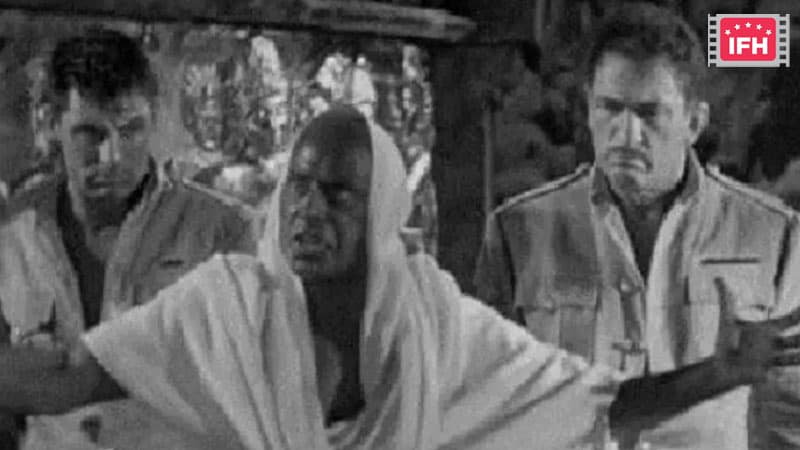
The First Film that faced the censor hard-ship and was banned was Kohinoor Film Company’s Bhakta Vidur (1921). The silent film was directed by Kanjibhai Rathod. The film starred Dwarakdas Sampat (as Vidura). Though the film told the mythological story of Hindu epic Mahabharata but the undercurrent of the film had political undertones of India’s independence struggle. The character of Vidur was inspired by the personality of Mahatma Gandhiji. The film had few scenes like Gandhi cap and references to contemporary political events of the country. As the film was released soon after the Rowlatt Act hence British banned the film citing the film would incite people against the British government and support the Non-Co-Operation Movement launched by Mahatma Gandhi. The film was banned in Madras, Karachi and some other provinces.