

Josef Wirsching
Josef Wirsching Personal Details
- Also Know as :- Josef Wirsching
- Profession:- Actor , Supporting Actor
- Gender :- male
- Active Years:- Till Today
Josef Wirsching Physique Details
Josef Wirsching Family Details
Josef Wirsching Early Life
The Light of Asia released on October 22nd 1925 was directed by Franz Osten and Himanshu Rai. Josef Wirsching was a German cinematographer who came .. Read More
Josef Wirsching Filmography
| # | Released Date | Type | Credited As | Movie |
|---|---|---|---|---|
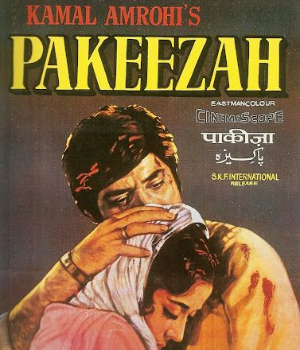
| 1 | 04 Feb 1972 | Film | Cinematography | Pakeezah |
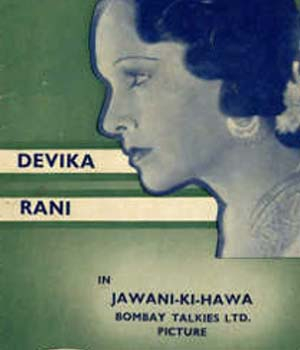
| 2 | 01 Jan 1935 | Film | Cinematography | Jawani Ki Hawa |
Josef Wirsching Movies
Comments
0Comment on this News





Latest Movie (2026)

Latest Web Series (2026)



Latest News (2026)

I Poured All Of Myself Into It Vijay Varma Wins Big Takes Home Best Performance For Matka King At Indian Film Festival Of Melbourne 2026 Amid Loud Applause

Kritis Ally Is Easily Her Hottest Avatar Yet Netizens Praise Kriti Sanons Performance In Cocktail 2 As Film Arrives On OTT

Uniforms Of Pride Varun Dhawan Siddharth Hrithik Roshan & Other Actors Who Brought Indian Heroes To Life

Salman Khan Unleashes 7 Dogs Trailer Sanjay Dutt Joins Global Action Spectacle

Malamaal Weekly 2 Locked Riteish Deshmukh Elvish Yadav Paresh Rawal & Rajpal Yadav Join Comedy Sequel
Akshay Kumar To Unleash Pure Evil In Haiwaan I Always Wanted To Play A Psycho On Screen
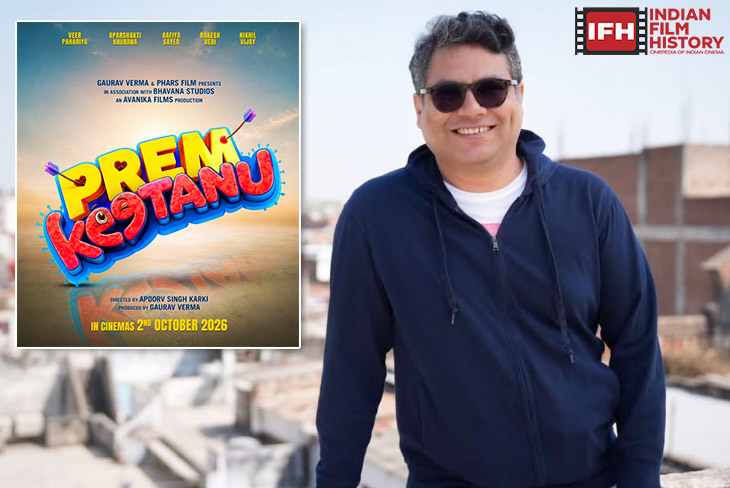
Gaurav Vermas Avanika Films Unveils Prem Keetanu Announces October 2 2026 Release

Mirzapur The Movie Trailer Out Munna Bhaiya & Bablu Pandit Return With Power Revenge And Bloodshed

Madhuri Dixit Turns Quiz-Show Host With Kon Honar Crorepati Unveils Maharashtrian Avatar

Sara Ali Khan Birthday Special 5 Performances That Trace Her Evolution From Kedarnath To Pati Patni Aur Woh Do
