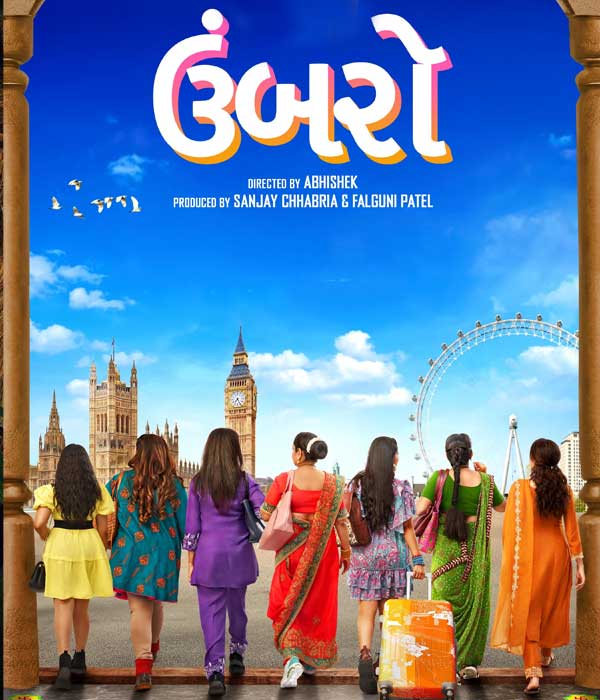
Videos & Trailers 1 Videos

Cast View All






Crew View All



“Umbarro” is a powerful story of the choices we make, the bravery it takes to envision something new, and the lines we draw that may only exist to us.
At the center of the tale is Meera, a wicked smart young woman with a tender soul. Growing up in a world darkened by stifling silence and secrets, her days are filled with creative possibility and her nights visited by long-buried trauma. Her universe is bounded by the doorstep—the umbarro—that divides her family’s house from the globe she dreams of entering.
When Raghav, a city-born, wannabe theater artist, comes to the village to bring the forgotten form of folk art back to life, Meera is attracted to him—not only because of his passion, but the way he looks at her. In him, she discovers her passion for storytelling and her freedom through performance. Yet as Meera moves toward her moment, she is forced to grapple with the suffocating pressure of her family’s aspirations, the heaviness of gendered experience, and the quiet shame from a world that fears a woman who dares to dream out loud.
“Umbarro” is more than the story of one woman leaving her house. It’s for every person who has the courage to push past that frontier of fear into the realm of freedom. Full of texture and feeling and deep culture, the film balances the real with the poetic, all while honoring the unspoken insurrections of Alicia’s sisters and ancestors among the millions of invisible women.
In an industry of closed doors, “Umbarro” is a gentle knock on the door that won’t let you ignore it.





Latest News (2026)
🇮🇳 Junglee Pictures’ HAQ Takes Global Stage With Special IFFI 2025 Screening

“You Will See Me In A Very Different Character”- Soha Ali Khan On Her Role In ‘Kaun Banegi Shikharwati’

“You Hold A Special Place In My Heart”, Says Abhishek Nigam As Yesha Rughani Quits Hero: Gayab Mode On

“Would See Everything Blurry”- Akshay Kumar On Wearing A Big Lens For His Role In Bachchhan Paandey

“Would Love To Do A Web Series Soon”- Sanya Malhotra After Praises From Meenakshi Sundareshwar