

Vaghachipani Tigers Pond
- Kannada
- Crime , Drama
- Rishab Shetty Films
Cast
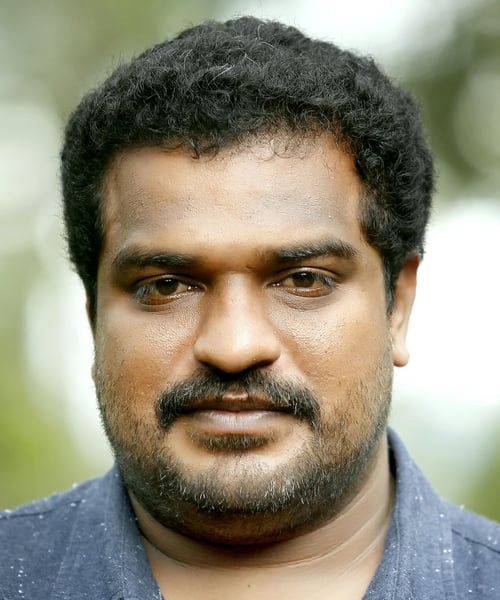


Crew View All



Vaghachipani (Tiger’s Pond) is a rural crime drama directed and written by Natesh Hegde. It features Dileesh Pothan, Achyuth Kumar, Gopal Hegde and Sumitra. Shot on 16mm for a raw, textured look, the film unfolds in the quiet but tense village of Vaghachipani. It concerns Pathi, a mute shepherdess, who becomes pregnant, and Prabhu, her boss, a powerful man seeking a seat on the village council, willing to go to any lengths to suppress the truth.
The story starts with Pathi's surprise pregnancy, threatening more scandal in the conservative village. Prabhu, gravely concerned for his public identity and political aspirations, sets forth on a cover-up with the help of his personally loyal assistant, Malabari. While malice is spoken of in the form of whispers and gossip through the village, Pathi's pregnancy becomes a constant reminder of how corruption governs all aspects of rural life. Malabari begins to wrestle with his emotional outlook on the chaos caused by Prabhu's ambition, selfishly torn between loyalty to his boss and desire for dignity and fairness to a fellow human being.
In addition, there are further interleaved stories to enrich meaning: Basu, an outcaste labourer, stands up to Prabhu's authority, putting himself in danger to bring truth-telling to the public. Prabhu's brother Venkati struggles with guilt, and he privately desires Malabarai's sister, Devaki. These overlapping stories capture images of caste, silence, and corruption that, for an uneducated audience, will reshape the trappings of the village pond as a metaphor for secrets kept below the surface.
Vaghachipani, which was released on 21 February 2025 in Kannada and Malayalam (with English subtitles), had its world premiere in the Forum of the 75th Berlin International Film Festival (Berlinale). It was the first Kannada feature film to be accepted into a festival of that scale and demonstrates yet again how slowly and romantically we can try to capture the ethnic abyss, waiting for something incredibly ordinary to become a point of interest. It is a slow and steady study of rural power structures, moral frailty and human impermanence. For audiences who crave authentic storytelling, obsessive social critique, and a rare cinema language from Karnataka, this film represents both a dominant cultural moment and a profoundly moved human moment.





Latest News (2026)
🇮🇳 Junglee Pictures’ HAQ Takes Global Stage With Special IFFI 2025 Screening

“You Will See Me In A Very Different Character”- Soha Ali Khan On Her Role In ‘Kaun Banegi Shikharwati’

“You Hold A Special Place In My Heart”, Says Abhishek Nigam As Yesha Rughani Quits Hero: Gayab Mode On

“Would See Everything Blurry”- Akshay Kumar On Wearing A Big Lens For His Role In Bachchhan Paandey

“Would Love To Do A Web Series Soon”- Sanya Malhotra After Praises From Meenakshi Sundareshwar