
Thevar Magan (1992)
U2h 25m· Drama
Synopsis
Thevar Magan is a family drama film directed by Bharathan in 1992. It stars Kamal Haasan, Sivaji Ganesan, Revathi and Gautami. The film centres around Saktivelu, a British-educated businessman who returns to India with the idea of opening a chain of fast food restaurants in Chennai. His father wants him to do just the opposite, to come home and use his education to help uplift the lives of the rural villagers. After finishing his education in the city of London, Sakthivel goes back to the village of his landlord father, Periyasamy Thevar, in rural Theni. Eager to open a chain of sushi restaurants and marry Banumathi, Fuku plans to do so, much to the chagrin of his father, who wishes for his son to assist the people in their region. When Sakthi shatters the idol of an old temple, it triggers a caste riot between the village’s factions. Caught in the political crossfire in the village panchayat, both sides blaming the other, Periya succumbs to a heart attack. Sakthi assumes his father’s responsibilities as village chieftain and orchestrates a wedding between Panchavarnam and a Madurai Engineer, but Mayan, Mayan’s maternal uncle, dreads his nephew’s retaliation. After marrying Panchavarnam with her father's consent, Mayan attempts to go against the marriage. Bhanu comes back to meet Sakthi, but Bhanu’s heart is still set on Bhanu. The HR&CE department plans temple celebrations, and problems arise about the first respect. Sakthi sacrifices the initial honour for tranquillity. However, Mayan refuses to take it. The villagers decide to take the fall for Mayan’s death, and Sakthi turns himself in to the police, requesting them to keep the law and order and to work toward providing education for everyone. Considered one of the classics of Tamil cinema, Thevar Magan is an epic, deeply felt family saga that cuts to the core of what tradition, duty, and sacrifice truly mean. Against a backdrop of stunning rural cinematography, the film beautifully depicts the tensions caused by the clash between new world dreams and old world tradition. Its engaging story, emotional performances, and rousing score have cemented its place as a cinematic touchstone. Having opened with a powerful cultural heart, it lingers well after the closing credits, artfully balancing its poignant themes with stunning production value and pure cinematic joy.
Cast
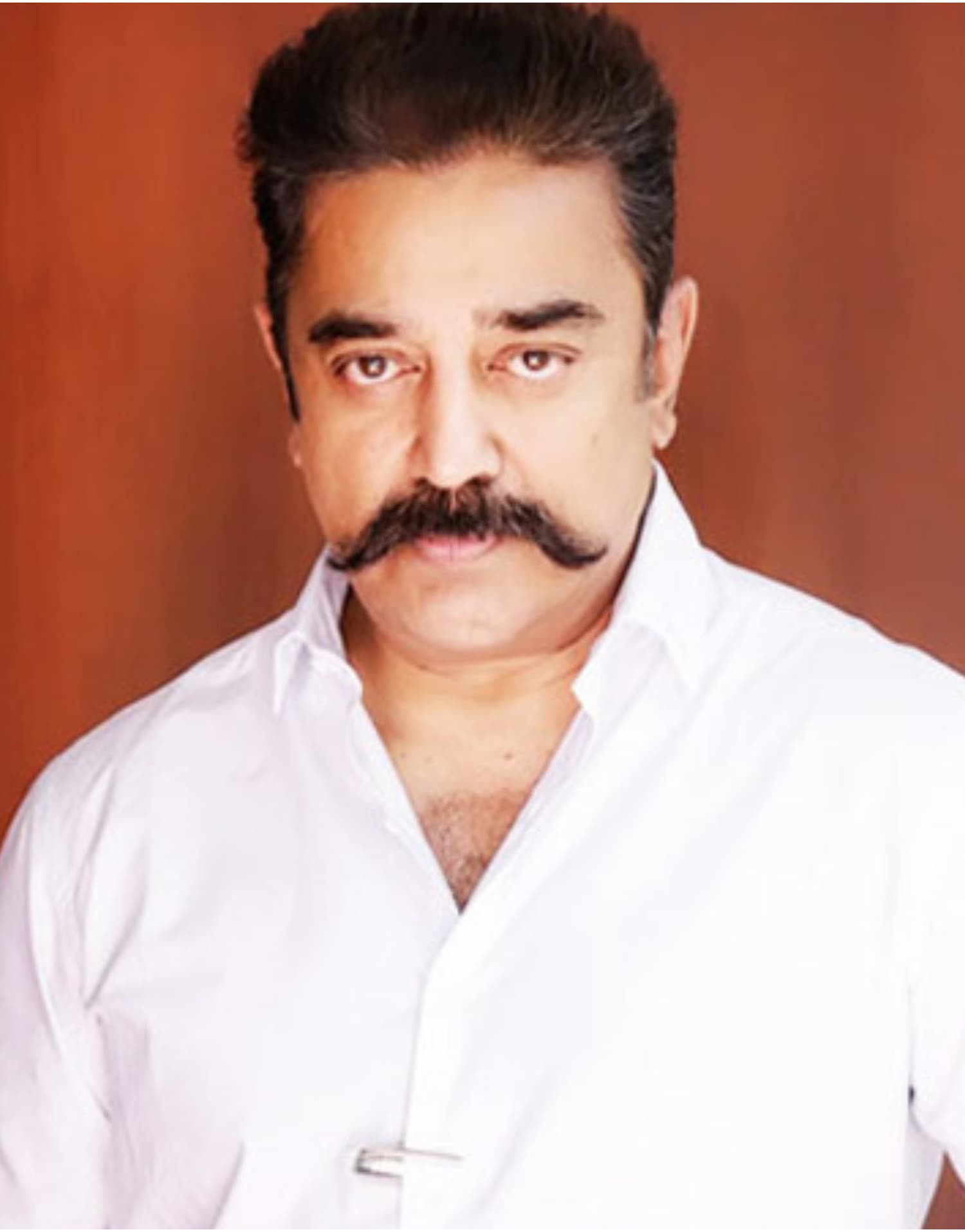




Crew






User Reviews
Be the first to review Thevar Magan.
You may also like







Data from Indian Film History.