
Ritwik Ghatak
Ritwik Ghatak Personal Details
- Also Know as :- Ritwik Ghatak
- Profession:- Director , Story Writer
- Gender :- male
- Birthdate:- 04 Nov 1925
- Debut Year:- 1948
- Active Years:- 06 Feb 1976
Ritwik Ghatak Physique Details
Ritwik Ghatak Family Details
Ritwik Ghatak Academic Details
His third film Meghe Dhaka Tara was his first commercial success. It starred Supriya Devi, a superstar of her times essaying the role of an unglamorous girl on whom the entire burden of the family’s livelihood fell and how she handles her partition driven father’s family. The girl’s tragedy .. Read More
Ritwik Ghatak Career
Ritwik Ghatak was perhaps one of the few filmmakers who worked without any overt influences from any predecessor. He was an completely original auteur in Indian cinema. Always dogged by back luck, whimsical ways and alcoholism, he could never achieve the iconic stature that Satyajit Ray did. Though .. Read More
Ritwik Ghatak Filmography
| # | Released Date | Type | Credited As | Movie |
|---|---|---|---|---|
| 1 | 01 Jan 1965 | Film | Director | Fear |
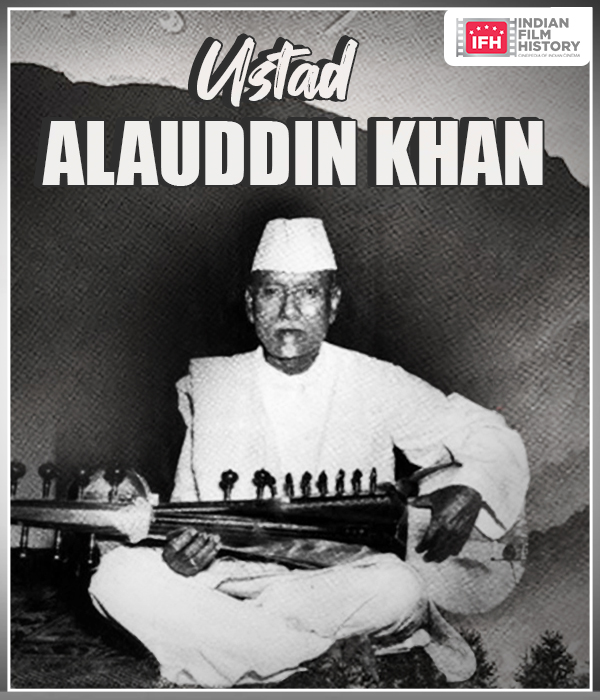
| 2 | 01 Jan 1963 | Film | Director | Ustad Alauddin Khan |
| 3 | 14 Apr 1960 | Film | DirectorStory writer | MEGHE DHAKA TARA |
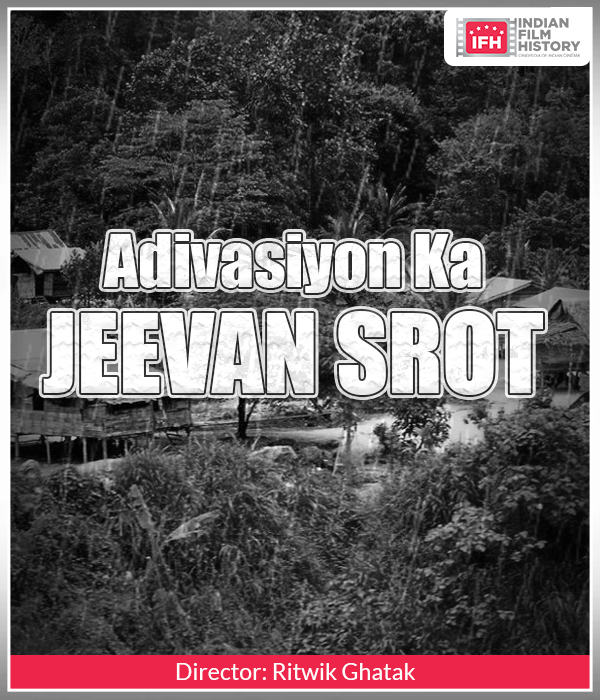
| 4 | 01 Jan 1955 | Film | Director | Adivasiyon Ka Jeevan Srot |
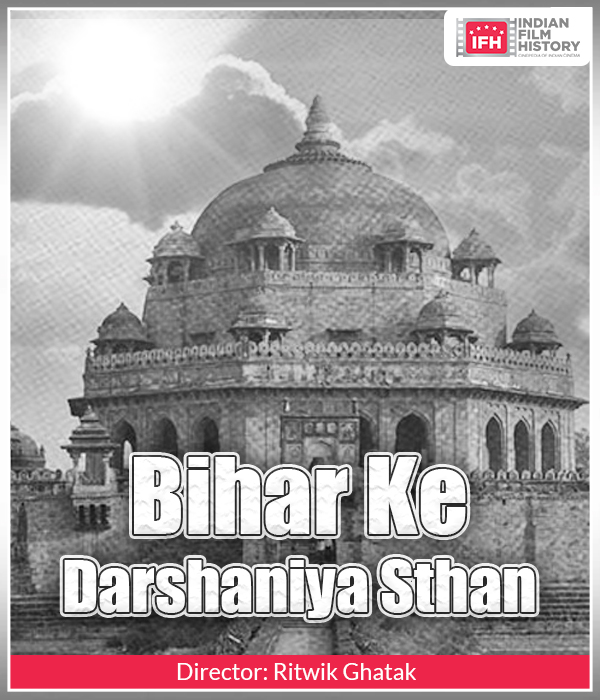
| 5 | 01 Jan 1955 | Film | Director | Bihar Ke Darshaniya Sthan |
Ritwik Ghatak News


Ritwik Ghatak Movies

Comments
0Comment on this News





Latest Movie (2026)
Latest Web Series (2026)



Latest News (2026)
Maniesh Paul Has Joined Forces With Director Vikram Phadnis In The Upcoming Untitled Film
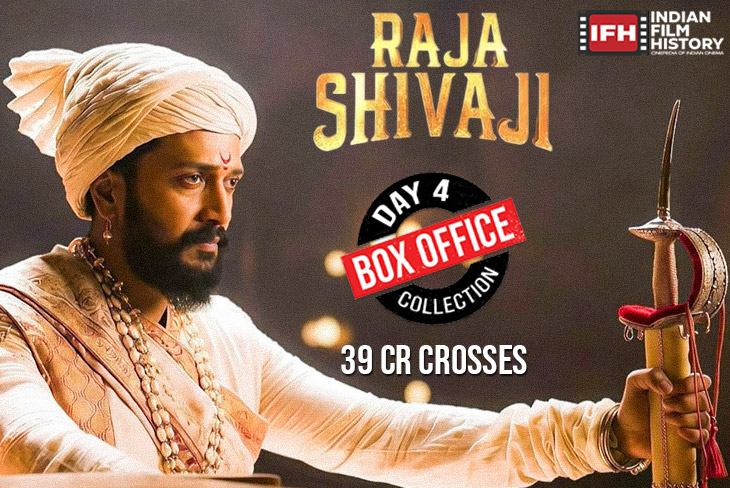
Raja Shivaji Box Office Collection On Day 4 Sees A Sharp Dip Crosses 39 Crores
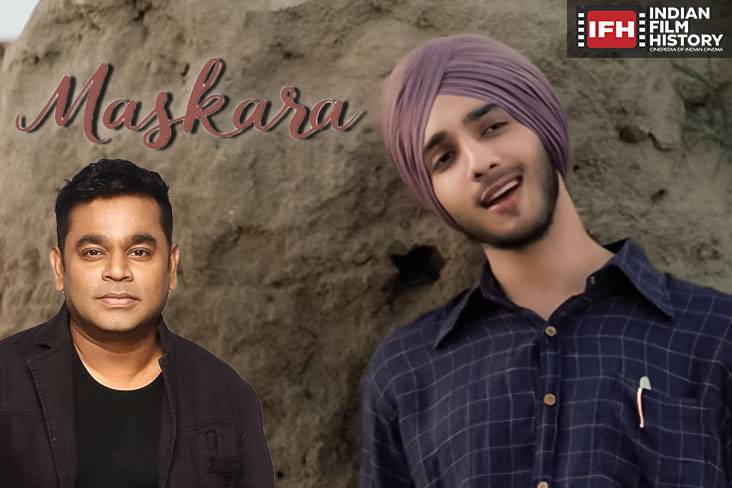
Vedang Raina Describes Maskara And Says Recording With The Maestro A R Rahman Is Surreal
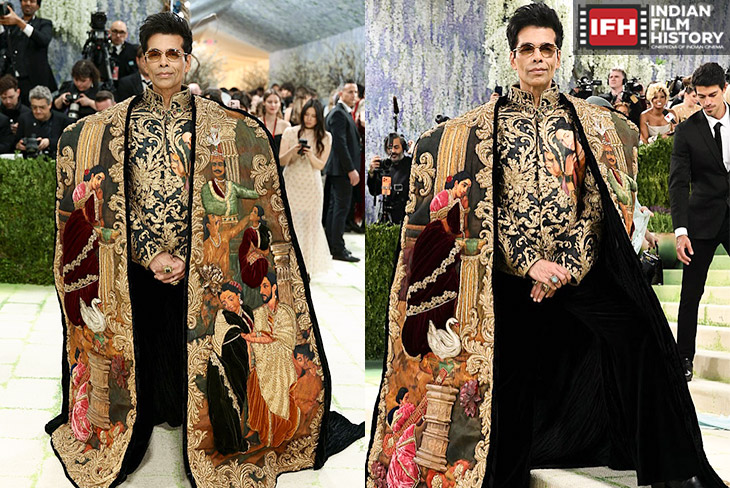
Filmmaker Karan Johar Makes Met Gala Debut In Celebrated Designer Manish Malhotra Outfit Inspired By Raja Ravi Varmas Art

Tara Sutaria In A Global Spotlight Gearing Up For A Major International Breakthrough

A Deeply Concerned Janhvi Kapoor Spoke About A Phase In Her Life And The Rumors Surrounding To Her Addiction To Alcohol

Chhatrapati Shivaji Maharaj Chowk Witnesses A Sea Of Love As Riteish Deshmukh Visits Latur Following The Release Of Raja Shivaji
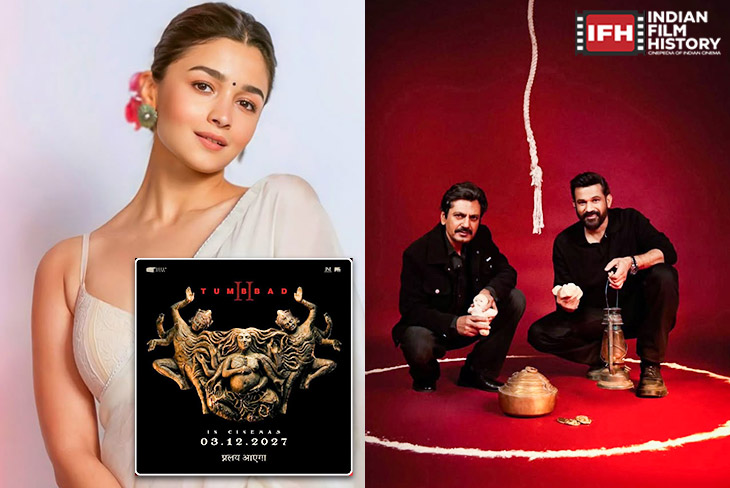
Alia Bhatt Gearing Up For Special Appearance In The Much Anticipated Folk Horror Sequel Tumbbad 2
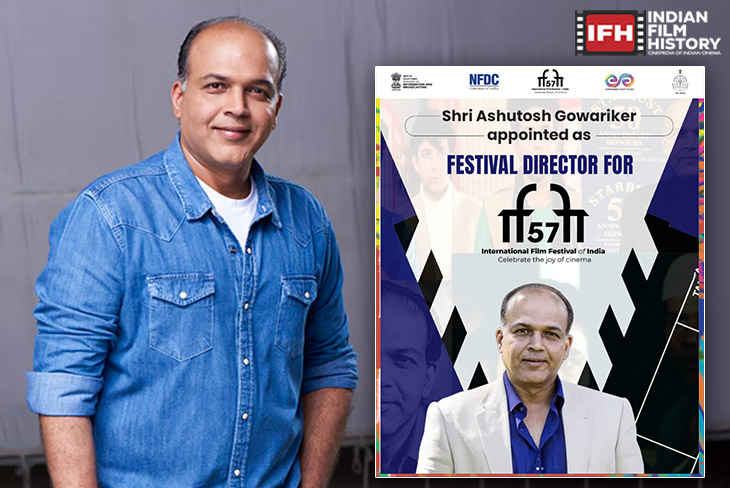
Filmmaker Ashutosh Gowariker Is Appointed As The Festival Director For The 57th Edition Of The International Film Festival (IFFI)

The Indian Film Industry Mourns The Loss Of The Veteran Actor Sudesh Kumar
